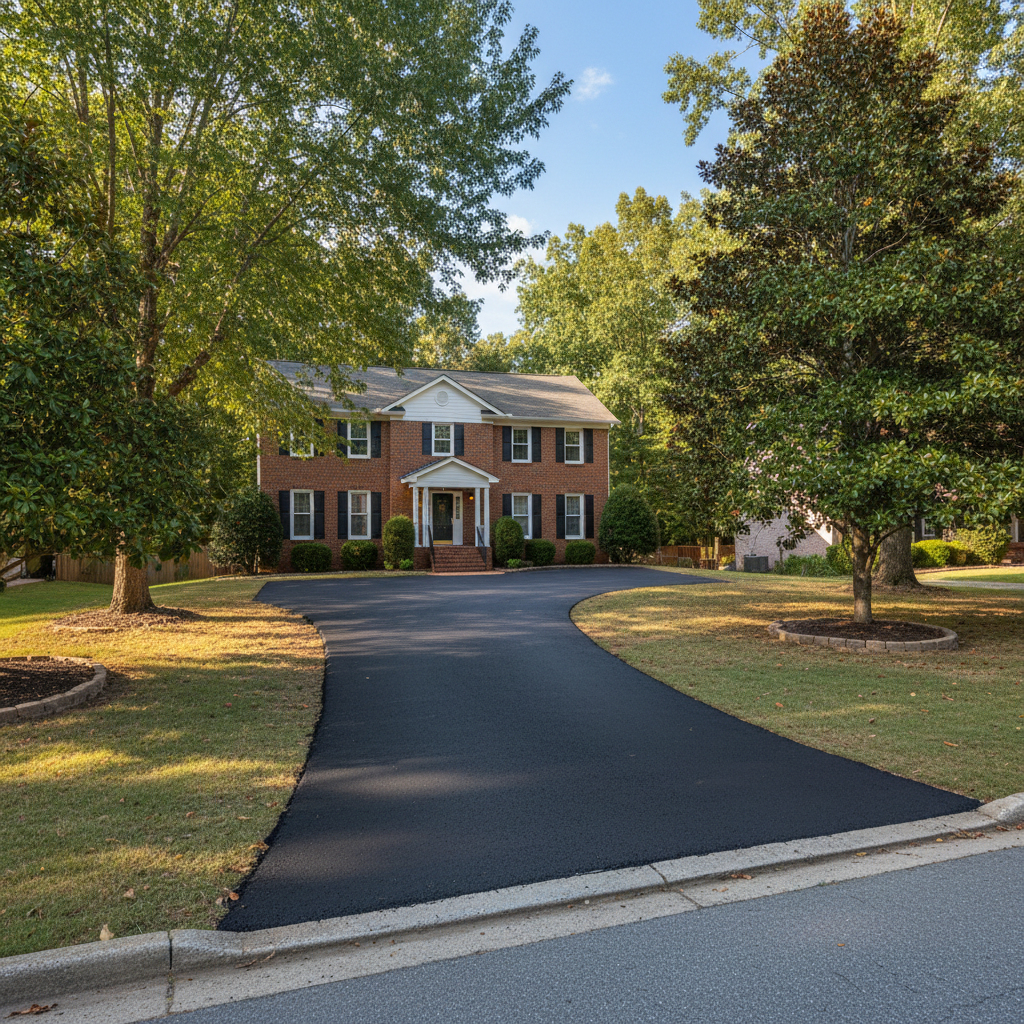
You want your asphalt driveway to last, right? Of course you do. But here in Decatur, our climate really puts it through its paces – scorching summers, damp winters, and everything in between. Knowing when to do what is key to protecting your investment, believe me. I've seen countless driveways around neighborhoods like Oakhurst and Winnona Park that could've gotten a lot more life out of them with just a little seasonal foresight.
Spring: Time for a Good Look and Quick Fixes
Once those cold, damp winter days finally give way to warmer weather, that's your cue to get outside and really check out your asphalt. Winter's freeze-thaw cycles can really mess things up, especially if water got into any small cracks. You're looking for new cracks, potholes, or spots where the asphalt seems to be crumbling. Don't ignore the small stuff, seriously. A tiny crack in March can turn into a big pothole by July if you let water sit in it.
Spring is also the perfect time for crack sealing. The asphalt is warm enough to be flexible, but it's not so hot that the sealant cures too fast or gets sticky everywhere. Plus, you're getting ahead of the heavy summer rains. If you've got some minor repairs, like small potholes or alligator cracking, spring's mild temperatures make it ideal for patching. The materials just stick better, and the ground isn't frozen solid or scorching hot.
Summer: Sealcoating and Bigger Projects
This is prime time for sealcoating. You need consistent warm, dry weather for the sealcoat to cure properly. Think 50 degrees Fahrenheit and rising, with no rain in the forecast for at least 24-48 hours after application. Our Decatur summers, with their long stretches of heat, are perfect for this. Sealcoating isn't just about making your driveway look good; it's a protective layer against UV rays, water, and chemicals like oil and gas. It's like sunscreen for your asphalt, keeping it from drying out and getting brittle.
If you're thinking about a bigger project, like an overlay or even a full replacement, summer is also your best bet. Warm temperatures help the asphalt mix stay pliable during paving, allowing for a smoother, more durable finish. We're talking about working with hot asphalt, so warmer air temperatures mean the material stays at the right temperature longer, giving us more time to compact it properly. Just be aware that afternoon thunderstorms are a common occurrence here, so scheduling needs to account for that. Skyline Asphalt Inc. always keeps an eye on the forecast to make sure we're not caught off guard.
Fall: Last Checks Before Winter Hits
As the leaves start to turn, you've got one last window to get things buttoned up before winter. Give your driveway another good inspection. Did any new cracks appear since spring? Did that minor patch hold up? If you missed sealcoating in the summer, you might still have a chance in early fall, but you're pushing it. You really need those warm, dry days, and they become less frequent as we get closer to November.
The main goal in fall is to make sure your asphalt is ready to handle the cold and wet. Clear off any leaves and debris. Standing water is the enemy of asphalt, and a thick layer of wet leaves can trap moisture on the surface. Make sure your drainage is clear too. If water is pooling anywhere on your driveway, that's a problem you definitely want to address before freezing temperatures turn that standing water into ice, which can then expand and create cracks.
Winter: Keep it Clean and Clear
Winter isn't really a time for major asphalt work around here. It's too cold for sealcoating, and patching materials just don't cure effectively. Your main job in winter is maintenance. Keep your driveway clear of snow and ice. When you're shoveling, be careful not to gouge the asphalt with the edge of your shovel. If you use de-icers, opt for ones that are asphalt-friendly. Some harsh chemicals can degrade the binder in your asphalt over time.
Mostly, winter is about damage control. If you see a new pothole form, try to keep water out of it as much as possible until spring when it can be properly repaired. You're basically just trying to minimize further damage until conditions are right for a permanent fix. It's all about understanding the rhythm of the seasons and what your asphalt needs to stay strong year after year, isn't it?