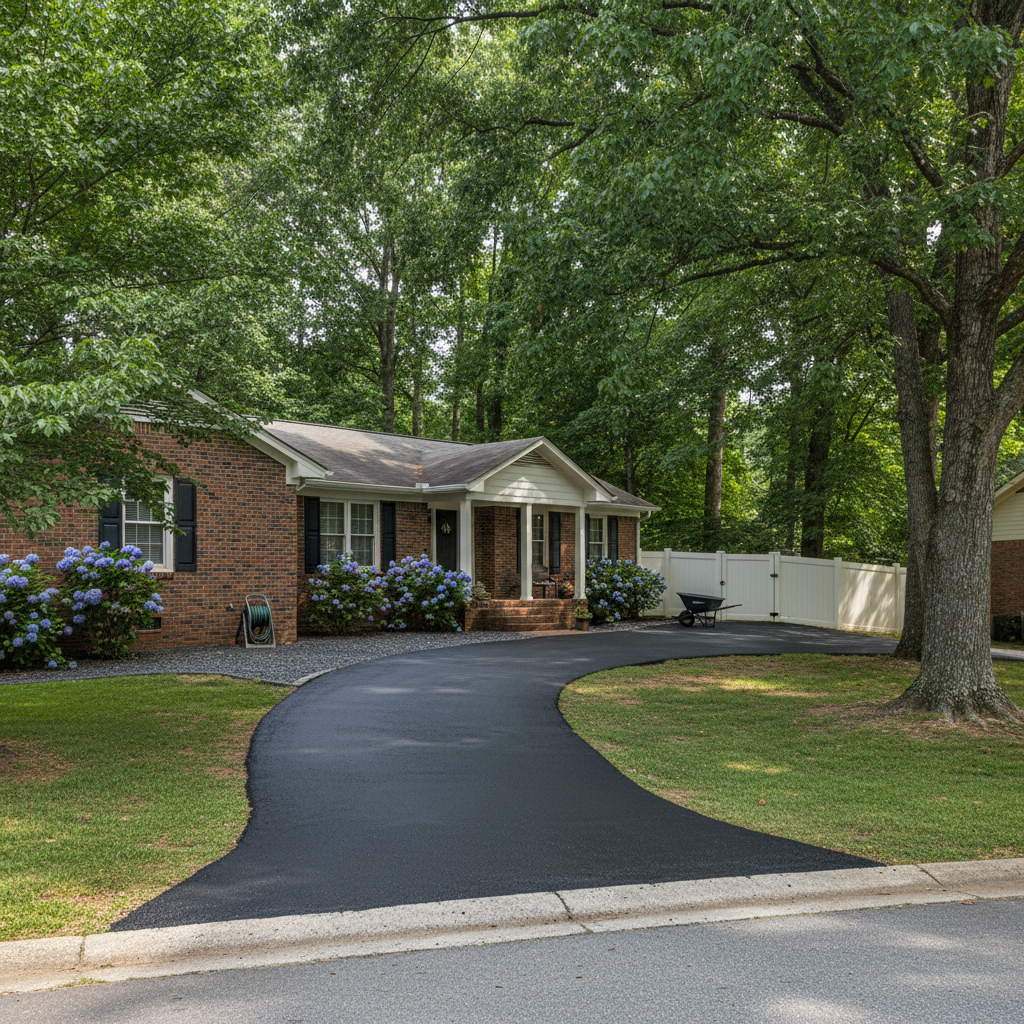
So, you've got a nice asphalt driveway, and you want to keep it looking good. That means sealcoating. But when's the *right* time to do it here in Decatur? It's not just about slapping some sealer down; our local climate plays a huge role in how well it cures and how long it actually lasts. I've been doing this for years, and believe me, I've seen what works and what definitely doesn't.
When to Get Your Driveway Sealcoated in Decatur
Timing is absolutely everything when it comes to sealcoating. You really need a stretch of good weather, and that can be tricky with our Georgia climate, can't it? Generally, I tell folks to aim for late spring, summer, or early fall. What you're really looking for are consistent temperatures above 50 degrees Fahrenheit, both day and night, for at least 48 hours after we apply it. The warmer it is, the faster and better that sealer cures, simple as that.
Spring is often a great bet, usually from April through June. The ground's had a chance to warm up from winter, and we haven't hit the absolute peak of summer humidity and those sudden, pop-up thunderstorms yet. If you wait too long into July and August, you'll run right into those afternoon downpours that can wash away fresh sealer if it hasn't had enough time to set. Early fall, say September and October, can also be fantastic. The heat isn't as brutal, and the days are still plenty warm for curing, but you've got to watch out for those first cold snaps that can sneak in — they're always a surprise.
Weather Conditions That Make or Break a Sealcoat
This is where a lot of DIY jobs go wrong, or where less experienced contractors might try to cut corners. The weather conditions on the day of and the days following application are absolutely critical. Here's what we're always looking for:
- No Rain: This is kind of a no-brainer, right? But it's not just about rain *during* application. You need a dry forecast for at least 24-48 hours afterward. Rain on fresh sealer can cause streaking, poor adhesion, and a significantly reduced lifespan.
- Warm Temperatures: As I mentioned, 50°F and climbing is the sweet spot. Below that, the sealer won't cure properly, leaving you with a brittle, ineffective coating. Too hot, like 95°F and above, and it can dry too quickly, leading to cracking or a weaker bond.
- Low Humidity: High humidity really slows down the drying and curing process. While we can't always avoid it here in Georgia, especially in the summer, a day with lower humidity is always preferred.
- No Direct Sun on Super Hot Days: This might sound a little counterintuitive, but if it's scorching hot, direct sun can flash-dry the surface of the sealer before the underlying layers have a chance to cure. This can trap moisture and lead to problems down the road. Sometimes, we'll start earlier in the morning or work on shadier sections first to avoid this.
Protecting Your Investment Year-Round
Sealcoating isn't a one-and-done deal, but it's a huge step in protecting your asphalt. Here's how to keep that investment looking good between applications:
- Keep it Clean: Sweep off leaves, dirt, and debris regularly. Organic matter can hold moisture and break down the asphalt surface over time.
- Address Spills Immediately: Oil, gas, and other automotive fluids are asphalt's worst enemies. They break down the binder that holds the aggregate together. Clean them up with an absorbent material and then a mild detergent and water. Don't let them sit there.
- Trim Overhanging Branches: Tree roots can cause cracks and buckling from underneath, but overhanging branches also drop sap, leaves, and other gunk that can stain and degrade your driveway.
- Manage Drainage: Make sure water isn't pooling on your driveway. Proper drainage prevents water from seeping into cracks and freezing, which causes them to expand. This is especially important in areas like the older parts of Decatur, where some driveways might not have been designed with modern drainage in mind.
- Regular Inspections: Walk your driveway a few times a year. Look for small cracks, potholes, or areas where the sealer might be wearing thin. Catching these issues early can save you a lot of money and hassle. Small cracks can be filled before they become big, expensive problems.
A well-maintained driveway adds curb appeal and value to your home. It's not just about looks; it's about preventing costly repairs down the line. If you're wondering if it's time for a sealcoat or have questions about your specific driveway, don't hesitate to reach out to us at Skyline Asphalt Inc. We're happy to take a look and give you an honest assessment.