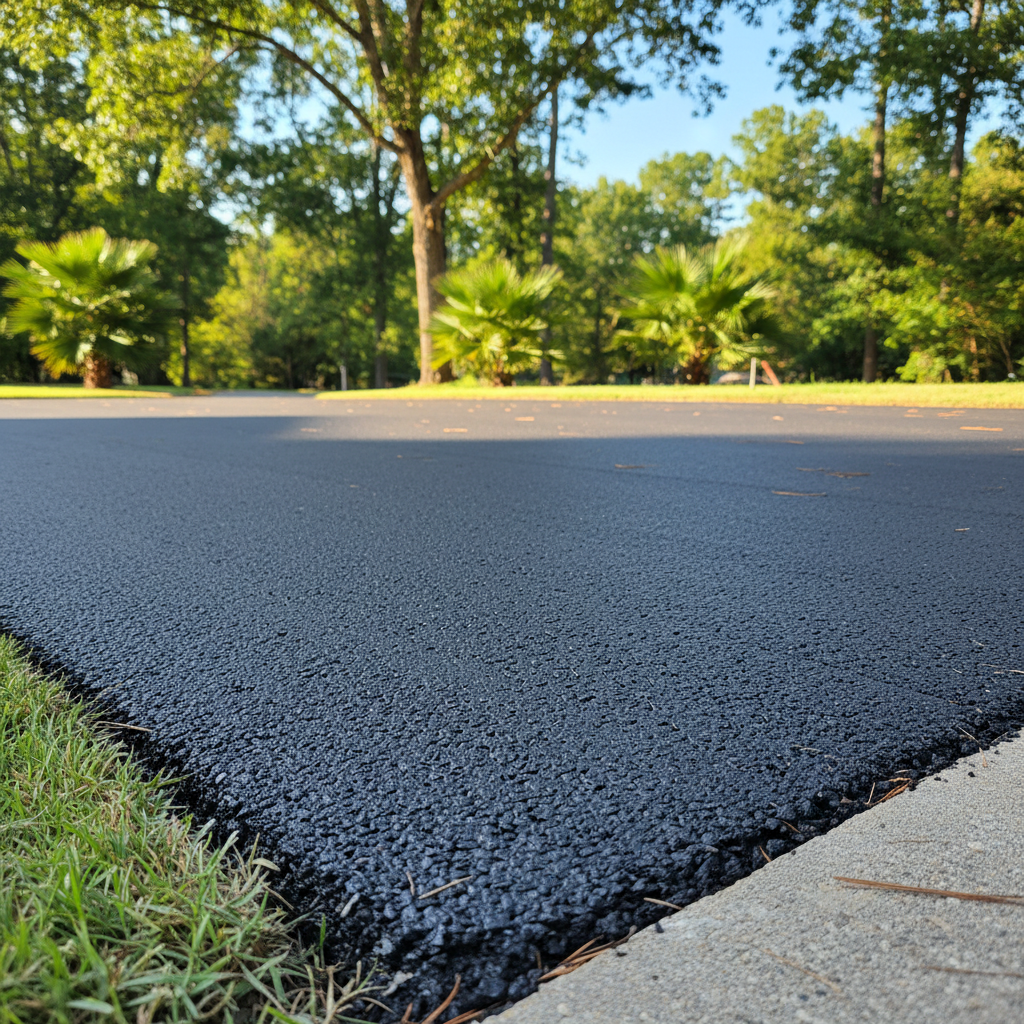
Alright, let's talk driveways. Specifically, your asphalt driveway. I get a lot of questions from folks around Decatur about what they can do themselves and what really needs a professional touch. It's a fair question, and honestly, there's a good bit you can handle, but there are also times when you're just better off calling someone like me.
Before the Project: Planning & Prep
Before any shovel hits the ground or any sealer gets poured, you've got to think about what you're trying to achieve. Is your driveway just looking a little faded? Got some small cracks? Or is it crumbling, sinking, and looking like a patchwork quilt? The answer to that question dictates your next steps.
If it's just minor stuff – a few small cracks, some fading – you might be able to tackle some of the prep yourself. Cleaning the surface, for instance, is a big one. You'd be surprised how much dirt, grime, and mildew builds up, especially with our humid Georgia summers. A good power wash can make a huge difference. Just be careful not to blast away any loose aggregate if your asphalt is already a bit worn. Sweep up any loose debris, pull out weeds growing in cracks, and make sure the surface is dry before you do anything else.
But if you're looking at significant drainage issues, large potholes, or sections of your driveway that have completely failed, that's when you need to stop and call a pro. Trying to patch a major structural problem yourself is like putting a band-aid on a broken leg. It might look okay for a minute, but it won't last, and you'll end up spending more in the long run. We've seen plenty of driveways in older Decatur neighborhoods, like those in Oakhurst or along Ponce, that have settled over decades, creating serious drainage headaches. Those aren't DIY fixes, plain and simple.
During the Project: DIY Repairs & When to Step Back
So, you've prepped, and you've decided it's something you can handle. What's next? For small cracks – I'm talking hairline cracks up to about half an inch wide – you can absolutely use a good quality crack filler. You can find these at any hardware store. Just make sure the crack is clean and dry, then apply the filler according to the directions. Don't overfill it; you want it level with the surface. For wider cracks, you might need a cold patch product, which is essentially asphalt mix in a bag. Tamp it down really well, and it'll do the job for a while.
Sealing your driveway is another common DIY project. This is great for protecting your asphalt from UV rays, water, and chemicals, extending its life and making it look fresh. Again, ensure the driveway is super clean and dry. Apply the sealer evenly with a squeegee or roller. It's not rocket science, but it takes patience and a good eye to avoid streaks and puddles. Most sealers recommend two thin coats rather than one thick one.
However, if you're talking about anything more than minor repairs or a simple sealcoat, you're getting into professional territory. Laying new asphalt, even just a small section, requires specialized equipment like rollers, compactors, and asphalt pavers. It also requires specific knowledge of base preparation, drainage, and asphalt mix temperatures. You can't just dump a few bags of cold patch and expect it to hold up like a professionally installed surface. If you're considering a full replacement or even a significant overlay, that's where Skyline Asphalt Inc. comes in. We've got the tools and the crew to get it done right, ensuring proper compaction and a smooth, durable finish that'll stand up to our Georgia weather.
After the Project: Maintenance & Longevity
Whether you did it yourself or hired a pro, ongoing maintenance is key to getting the most out of your asphalt driveway. This is where you can really shine as a homeowner. Keep it clean. Sweep off leaves and debris regularly. Don't let oil or gas spills sit; clean them up immediately with an absorbent material and a degreaser. These chemicals can break down the asphalt binder over time.
Keep an eye on those cracks. Even after a professional job, small cracks can appear due to ground movement or temperature changes. Catch them early and fill them. It's much easier and cheaper to fill a small crack than to repair a pothole that forms because water seeped in and froze (though that's less of a concern here in Decatur than up north).
Re-seal your driveway every 2-3 years, depending on traffic and sun exposure. This protective layer is your first line of defense. Think of it like painting your house; it's not just for looks, it's for protection. And if you notice any new, significant issues – sudden sinking, large areas cracking, or major potholes – don't hesitate to call a professional. Sometimes, what looks like a small problem on the surface is an indicator of a bigger issue with the sub-base that needs expert attention.
Taking care of your asphalt driveway isn't just about curb appeal; it's about protecting your investment. Do what you can, but know when to call in the cavalry. It'll save you headaches and money in the long run.